When planning indoor floor renovation, most homeowners and contractors struggle to choose between epoxy floor paint and regular floor coating. Both products can refresh floor surfaces, but their differences in durability, aesthetics, and practicality determine the final renovation effect and service life. Understanding their core gaps can help you make a cost-effective choice for home, office, and commercial space decoration.
Regular floor coating is a basic decorative paint focusing on simple surface coverage. It features low cost and easy construction but has obvious shortcomings: poor wear resistance, weak waterproof performance, and easy fading and scratching after daily friction. Traditional floor paint also tends to peel off over time, and the single flat color cannot meet high-end decorative needs, making it only suitable for temporary and low-budget renovation projects.
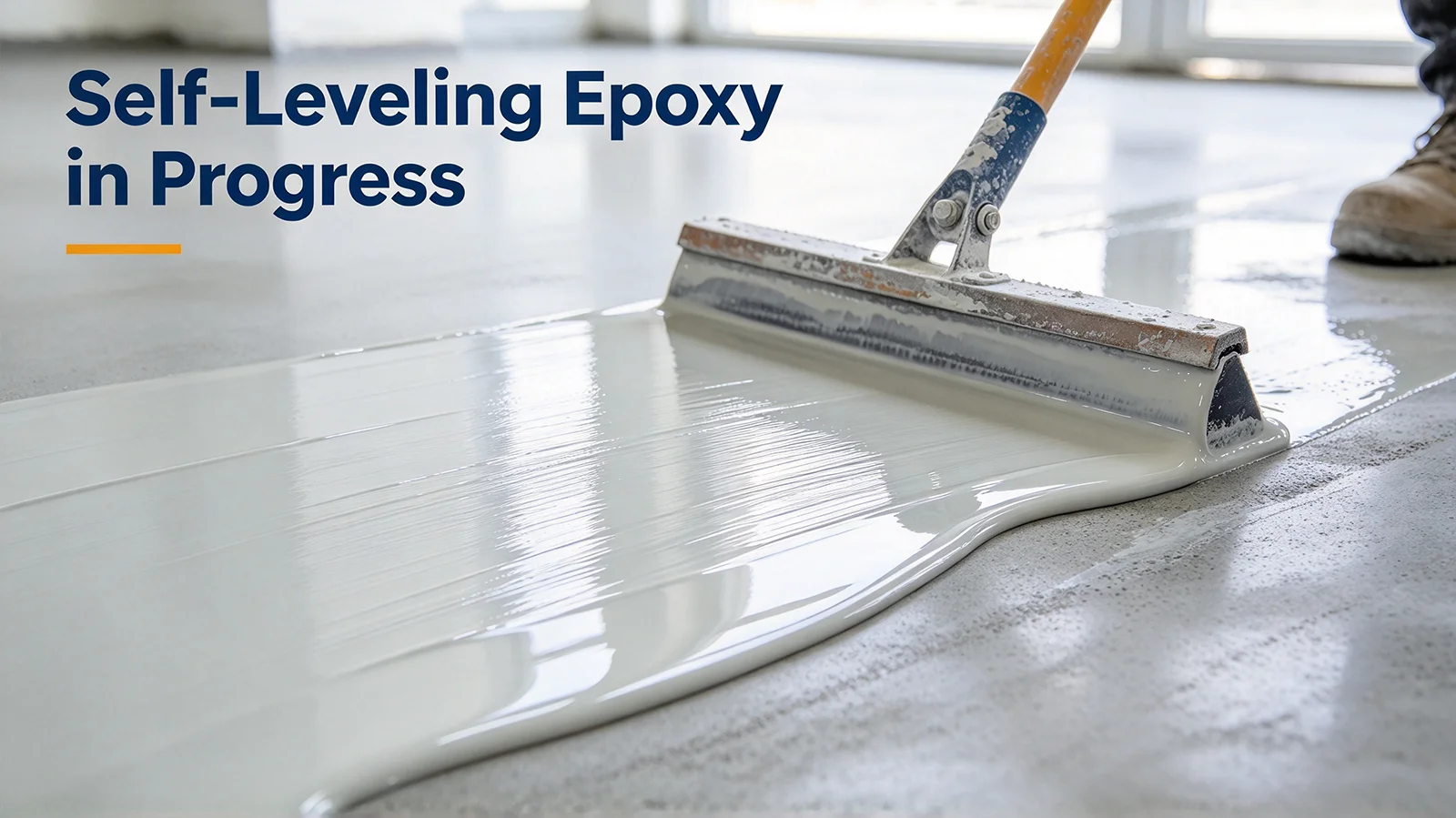
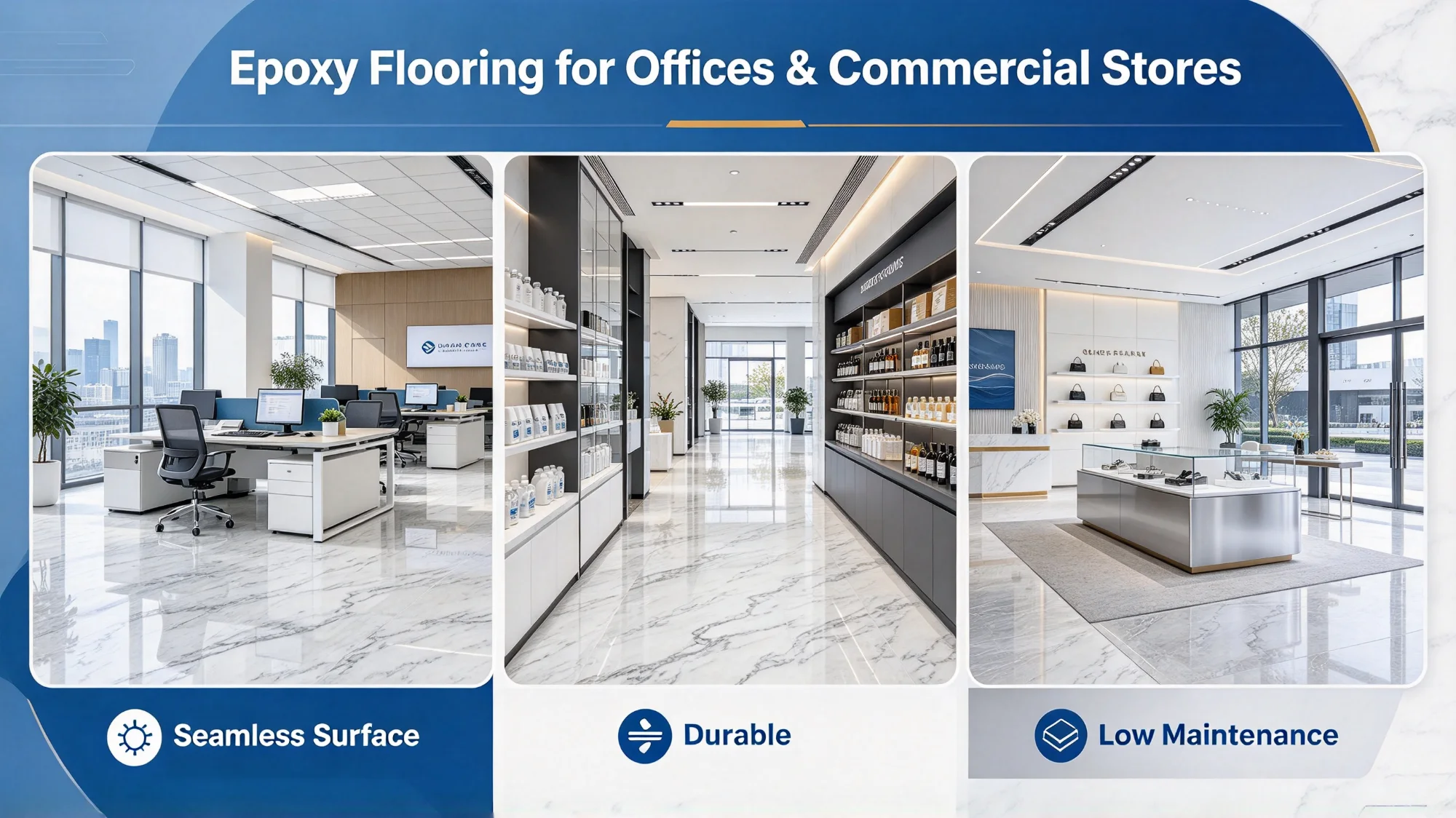
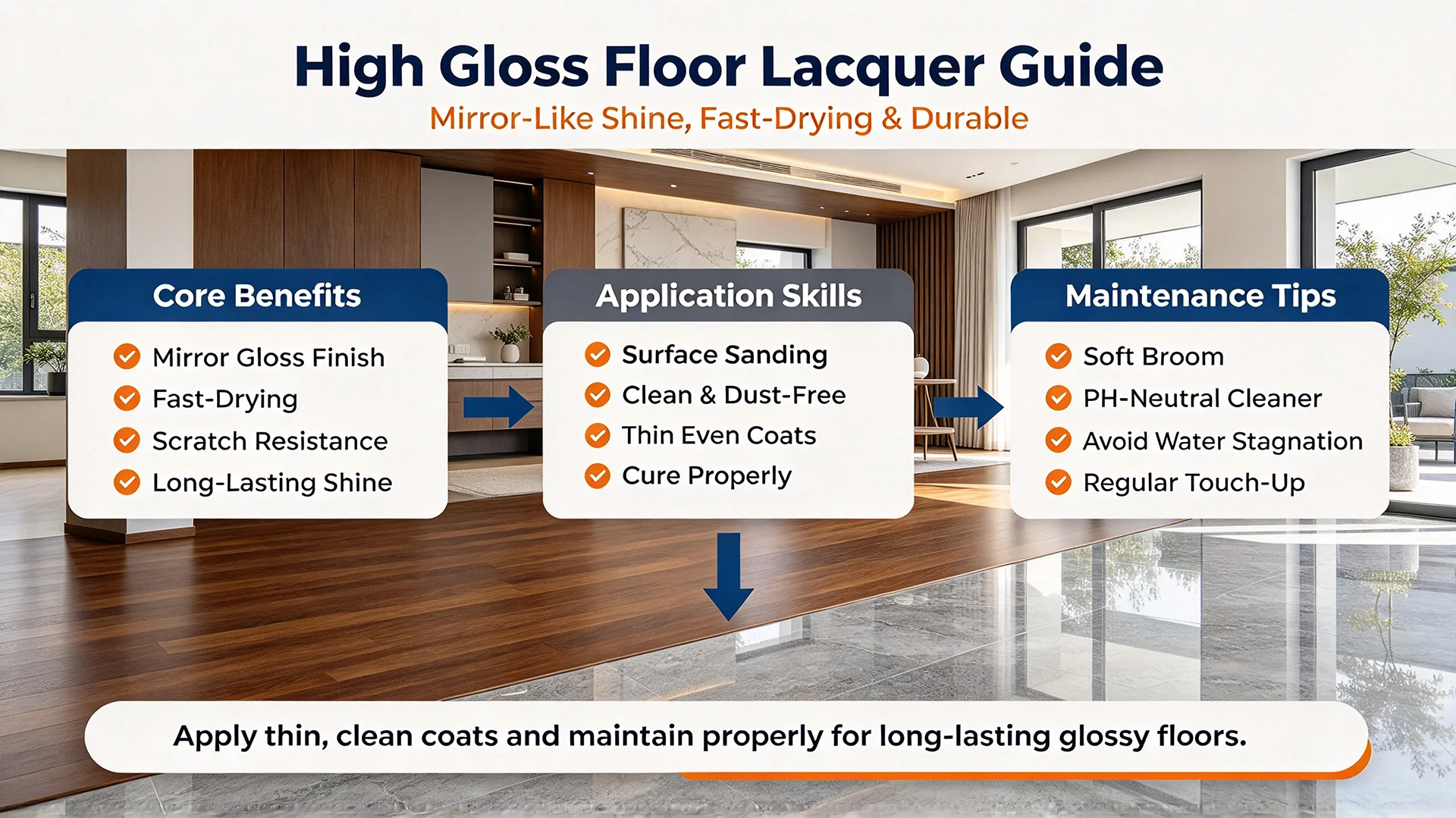
In contrast, epoxy floor paint, especially self-leveling epoxy colored sand floor paint and high-gloss floor lacquer, is a high-performance integrated decorative and protective coating. Cured epoxy coating forms a dense, hard film with super wear resistance, scratch resistance, and waterproof performance, resisting daily trampling, furniture friction, and water stain erosion. Its unique marble effect and high-gloss mirror finish greatly improve the indoor grade, realizing seamless and integrated floor decoration.
In terms of service life, regular floor coating usually needs renovation within 1-2 years, while high-quality epoxy floor paint can maintain a new state for many years with stable color and no peeling. For long-term indoor renovation, commercial store decoration, and office floor upgrading, epoxy floor paint is undoubtedly a more durable and cost-effective choice, perfectly balancing beauty and practicality.