1 / 4
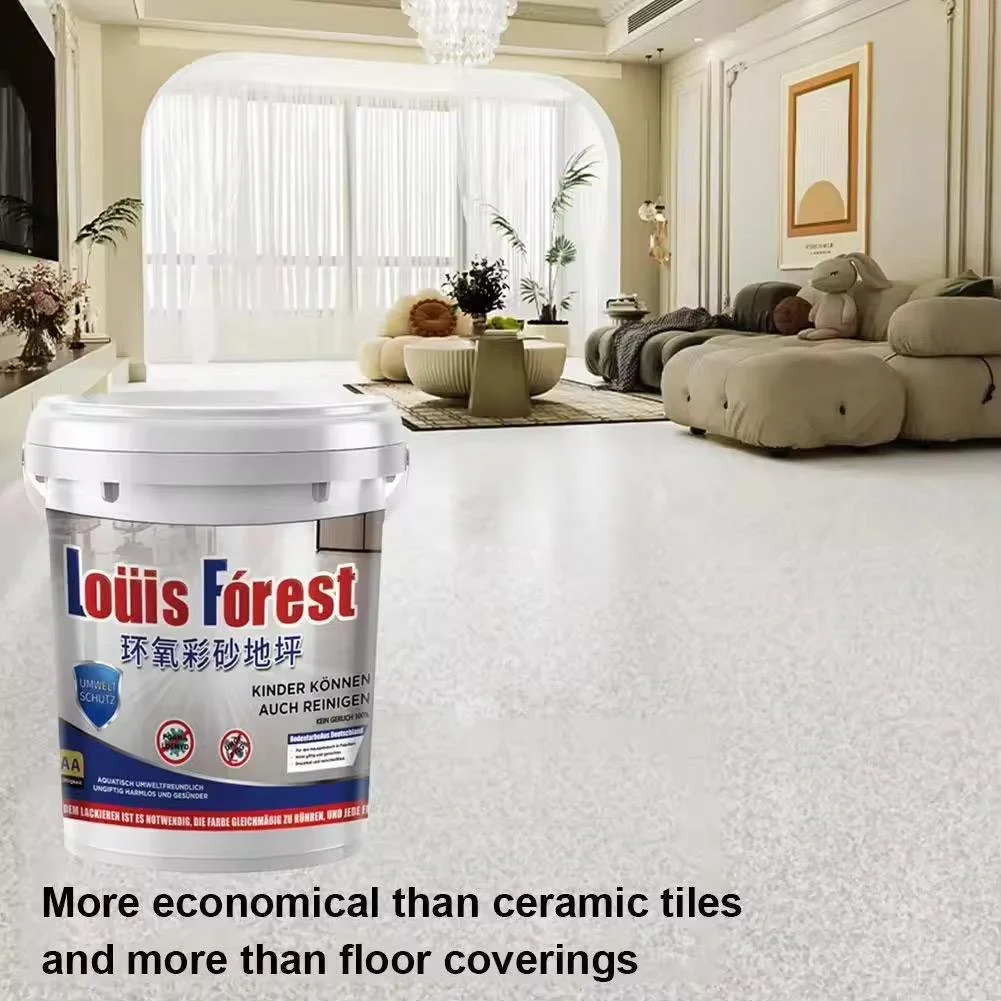
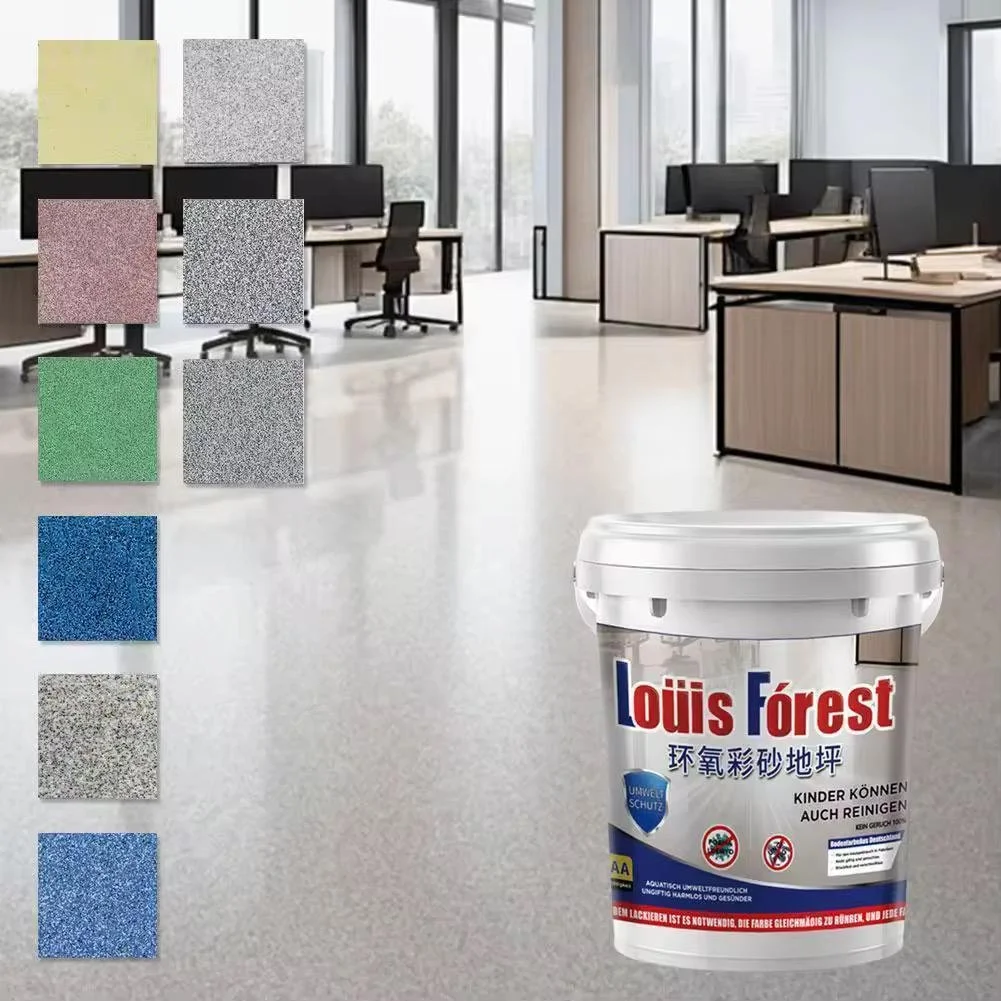
Self-Leveling Epoxy Color Sand Flooring System
JIAN-TAI
$88.00$128.00-31%
- Ships within 72h
- Free shipping over $49
- 30–45 business days
- Duties included
- Tracked delivery
★★★★★4.7|Total sales 1,121|100 reviews
Select Options
Color:
Size:
In Stock
Quantity:
Share:
Specifications
- Country/Region of Origin
- China
- Category
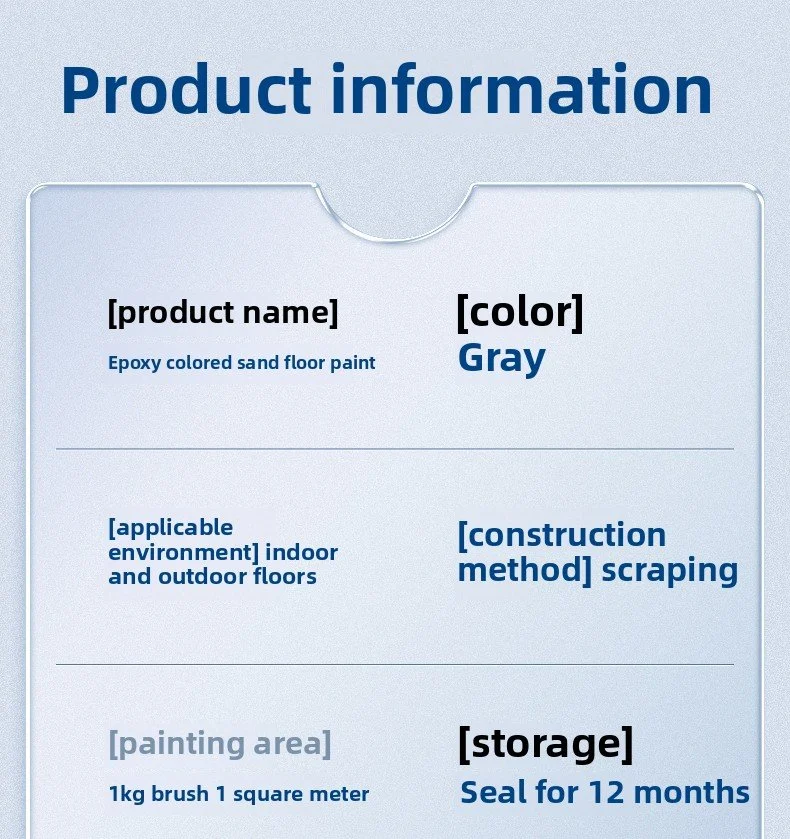
- Epoxy Colored Sand Self-Leveling Floor Coating
- Brand
- Jiantai Coatings
- Shelf Life
- 12 months
- Features
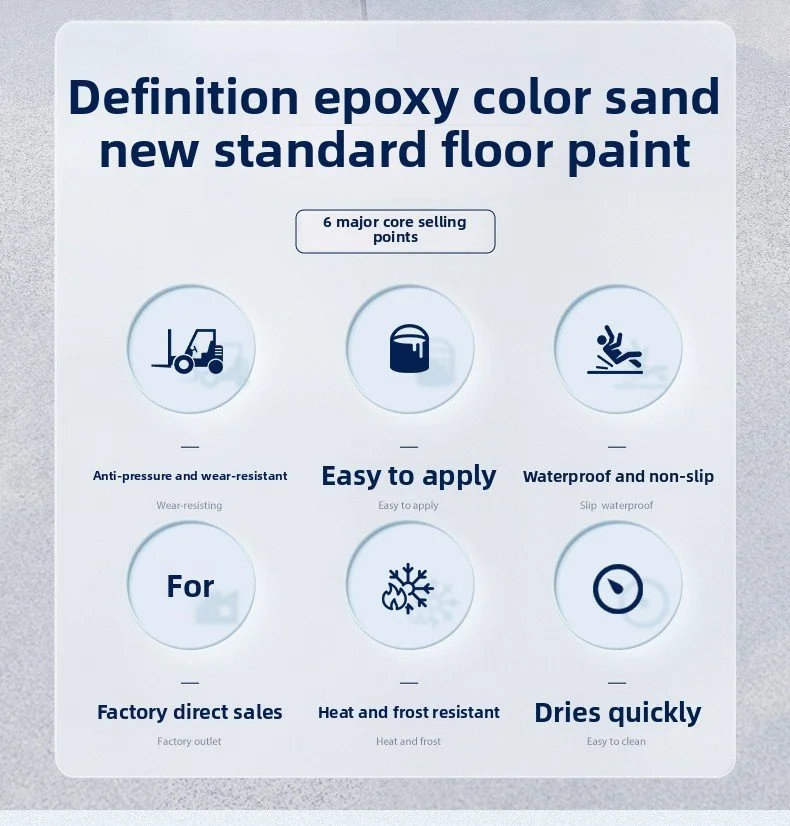
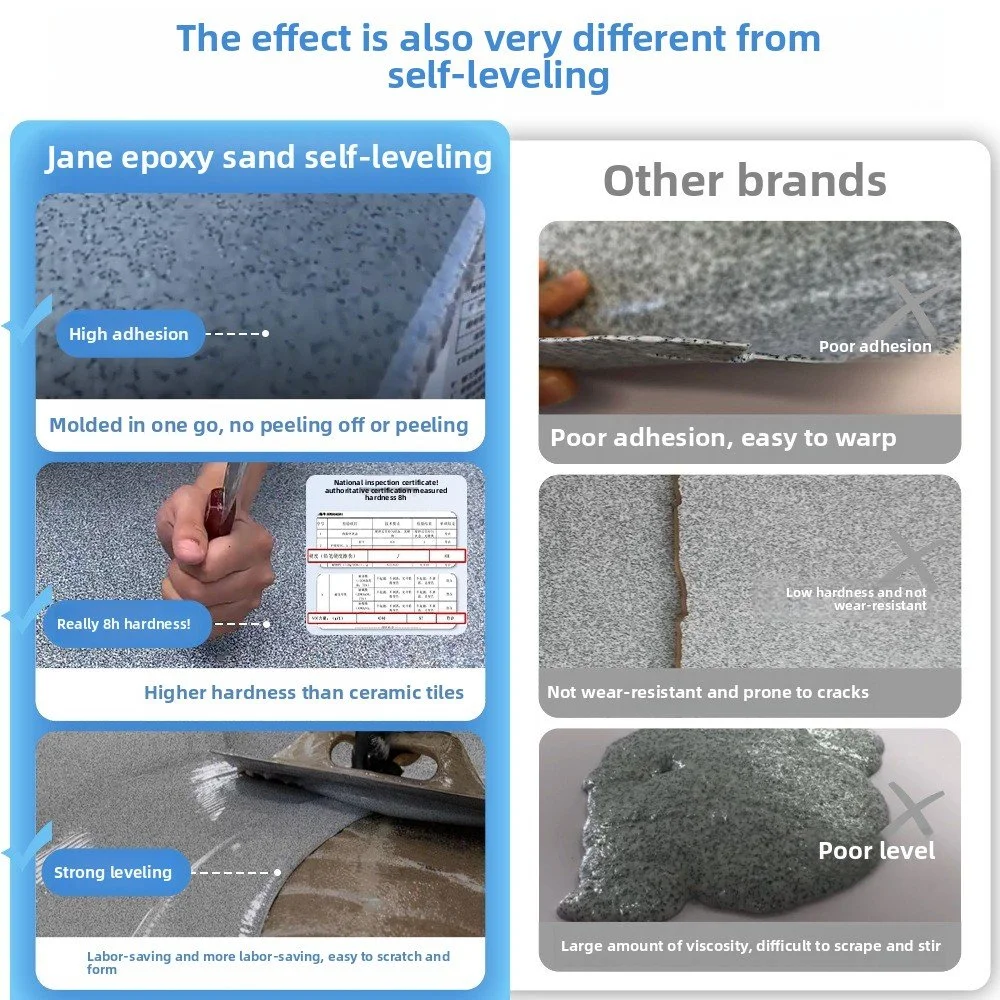
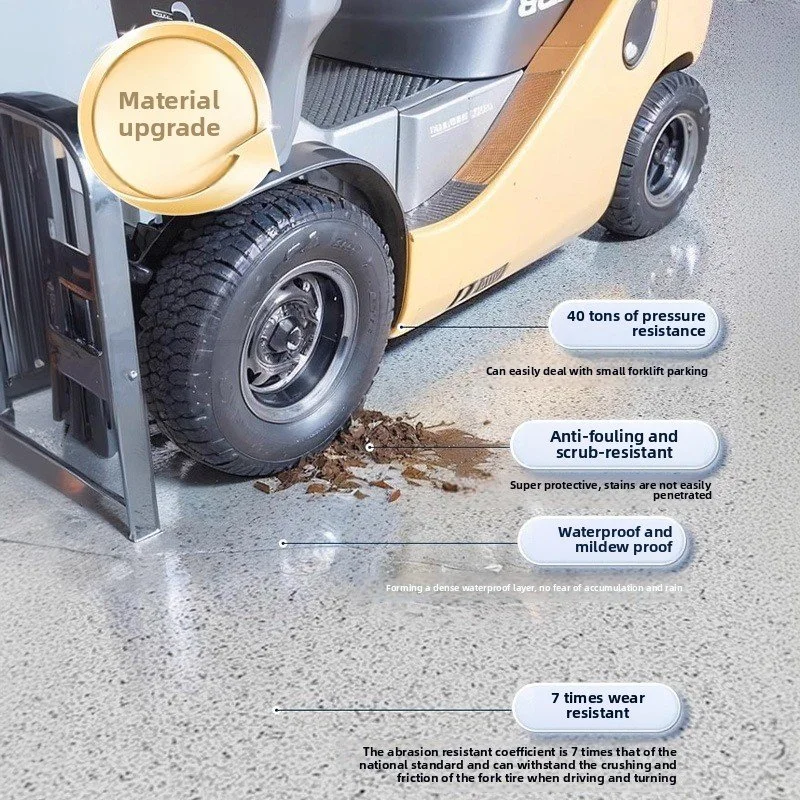
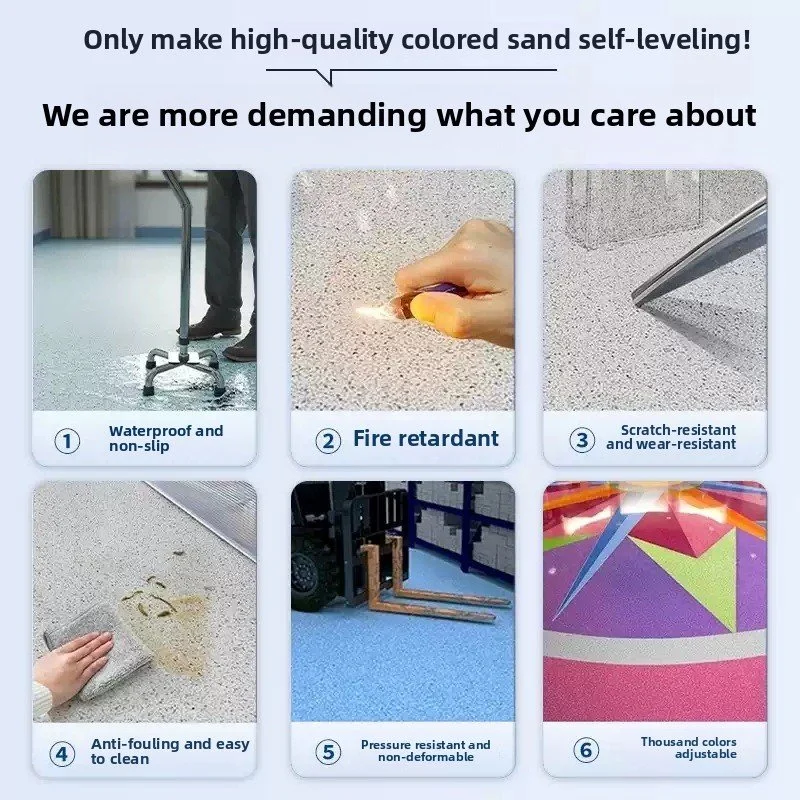
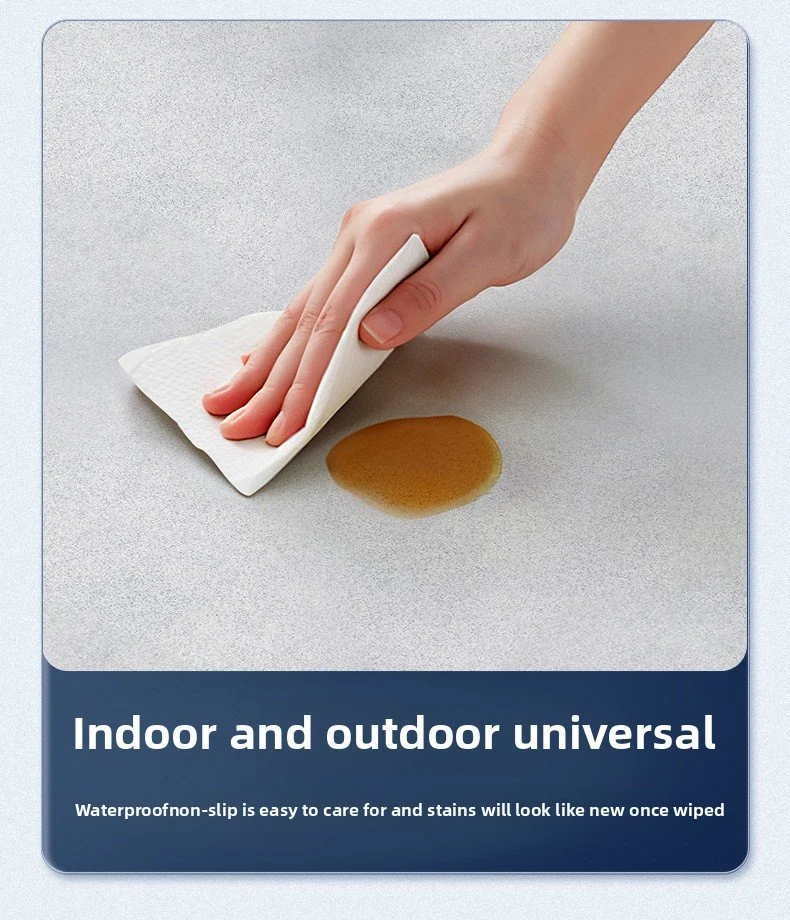
- Wear-resistant, stain-resistant, scratch-resistant, waterproof, dustproof, dust-free, and alkali-resistant
- Scope of Use
- Concrete Floor Renovation and Protection
- Special Services
- Direct from the Factory
- Is it a hazardous chemical?
- No
- Alkali resistance
- pH seven
- Temperature Type
- Standard Type
- Downstream Applications
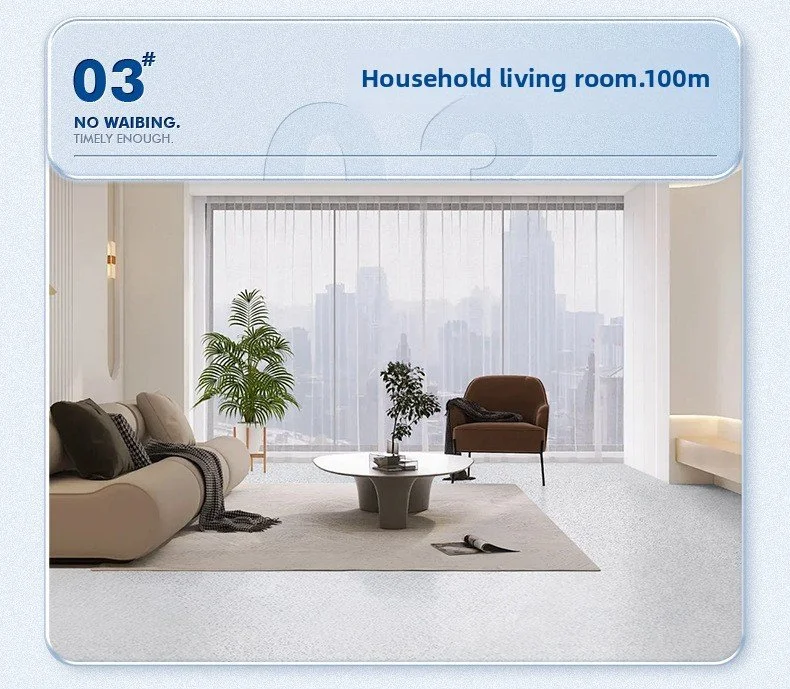
- Construction, Residential, Office Buildings
- Product Grade
- Environmental-grade
- Construction Methods
- Leveling Coat
- Adhesion
- High Level
- Luster
- Highlights
- Drying Time
- 24–48 hours
- Color Grading
- Yes
- Water Resistance
- Excellent
- Product Formats
- Liquid Paint
- Main Ingredients
- Solvent
Certificates
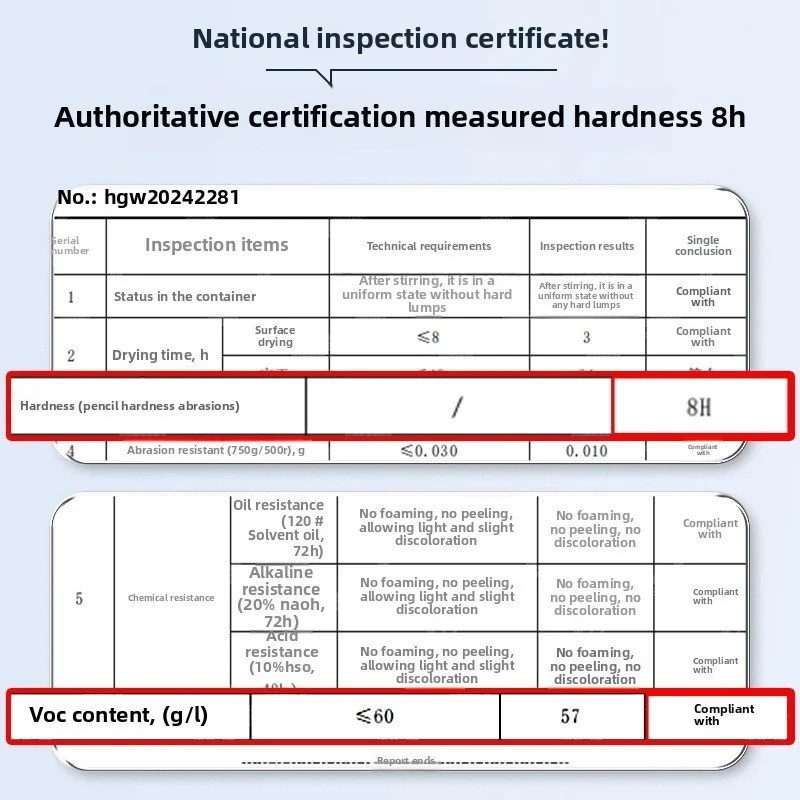
- Product Test Report:
Description
4.7
★★★★★
100 reviews
5★
65%
4★
35%
3★
0%
2★
0%
1★
0%
A
A***r
2026-10-18
★★★★☆
Solid quality, exactly as described.
A
A***.
2026-09-03
★★★★☆
The colored sand particles are evenly spread and look really premium under the lights. Two friends who came over already asked me where I bought it.
L
L***a
2026-08-31
★★★★☆
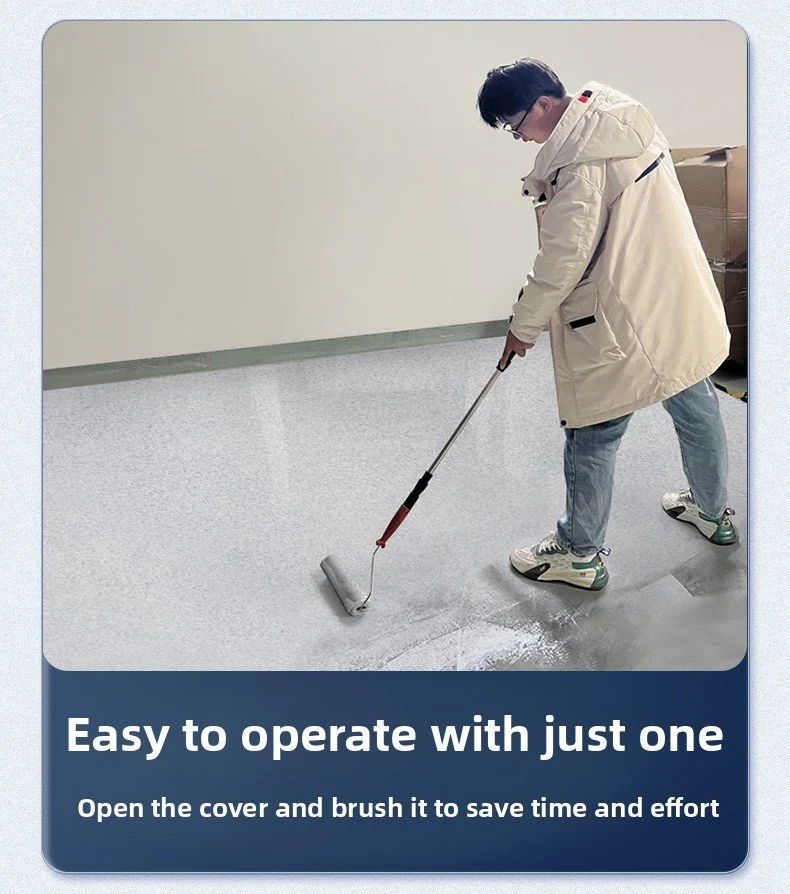
Really slip resistant, I used it the day it arrived and felt safe walking on it. Super easy to apply, great quality, hardly any smell. Honestly one of the easiest DIY jobs I have done.
N
n***r
2026-08-29
★★★★★
The new floor paint refreshed the whole room and the color our support rep recommended looks great. I applied it on my own with zero experience and it still came out nice. There was one small flaw, and the team told me exactly how to fix it.
E
E***.
2026-08-27
★★★★☆
Flat, smooth and very close to real marble, exactly like the product photos promised. A trustworthy seller, thumbs up.
K
K***y
2026-08-22
★★★★★
Coated the bathroom floor with this epoxy colored sand paint, it is clean and timeless. No tile joints to trap dirt or turn black, a quick rinse and it is spotless, and it grips well even when wet.
S
S***l
2026-08-06
★★★★★
The finish looks professional and the surface is even everywhere. Nothing negative to say.
G
G***y
2026-08-03
★★★★☆
Bought it for the garage and it has been brilliant, a tough surface and no odor issues.
N
N***s
2026-07-30
★★★★★
Colors are true to the swatches and the coverage matches the estimate. Would recommend.
J
J***n
2026-07-29
★★★★★
Really nice product, the colored sand grain is fine and the surface has a soft gloss. Once cured it is harder than tile, resistant to scratches, slip resistant and easy to clean.
…
FAQ
1. What Is Epoxy Color Sand Self-Leveling Flooring?
Epoxy color sand self-leveling flooring is a decorative and functional flooring system made by combining epoxy resin with colored quartz sand aggregates. The mixture is applied to a properly prepared substrate to create a seamless, colorful, and textured floor surface. This flooring system is designed for applications where both durability and decorative appearance are important. Depending on the formulation and installation method, it can be used in commercial spaces, industrial facilities, showrooms, garages, and other indoor environments.
2. What Are the Main Components of an Epoxy Color Sand Flooring System?
A typical epoxy color sand flooring system consists of several components: Epoxy Primer: Improves adhesion between the concrete substrate and the flooring system. Epoxy Intermediate Layer: Provides additional thickness, strength, and support. Colored Quartz Sand: Creates the decorative color and textured appearance. Epoxy Resin and Hardener: Form the binding material that holds the colored sand together. Protective Topcoat: Provides the final surface finish and helps improve wear resistance, stain resistance, and ease of cleaning. The exact system composition may vary depending on the product formulation, substrate conditions, and project requirements.
3. What Is the Recommended Application Thickness?
The recommended application thickness depends on the epoxy formulation, quartz sand particle size, substrate condition, and intended flooring application. Different projects may require different coating thicknesses to achieve the desired decorative appearance and physical performance. For accurate application, please refer to the product Technical Data Sheet (TDS) or contact our technical team for a recommended flooring system based on your project requirements.
4. How Much Epoxy Color Sand Material Is Required per Square Meter?
The material consumption of epoxy color sand flooring depends on several factors, including the application thickness, quartz sand particle size, substrate condition, and mixing ratio. A thicker flooring system generally requires more material per square meter. For an accurate material estimate, please provide the required flooring area and application thickness. Our team can help calculate the estimated material quantity for your project.
5. What Is the Mixing Ratio of Part A and Part B?
The mixing ratio of Part A (epoxy resin) and Part B (hardener) depends on the specific product formulation. Always follow the mixing ratio specified in the product Technical Data Sheet (TDS). Incorrect proportions may affect curing, adhesion, hardness, and overall flooring performance. For the best results, accurately measure both components by weight or volume according to the manufacturer's instructions, and mix thoroughly before application.
6. How Long Does Epoxy Color Sand Flooring Take to Cure?
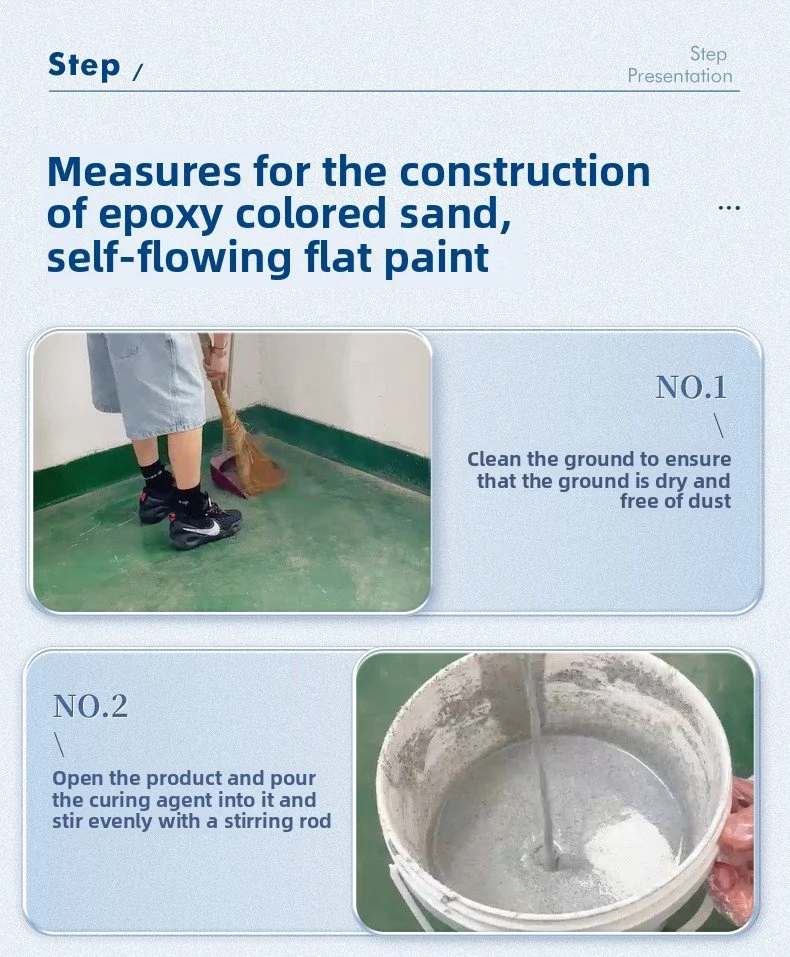
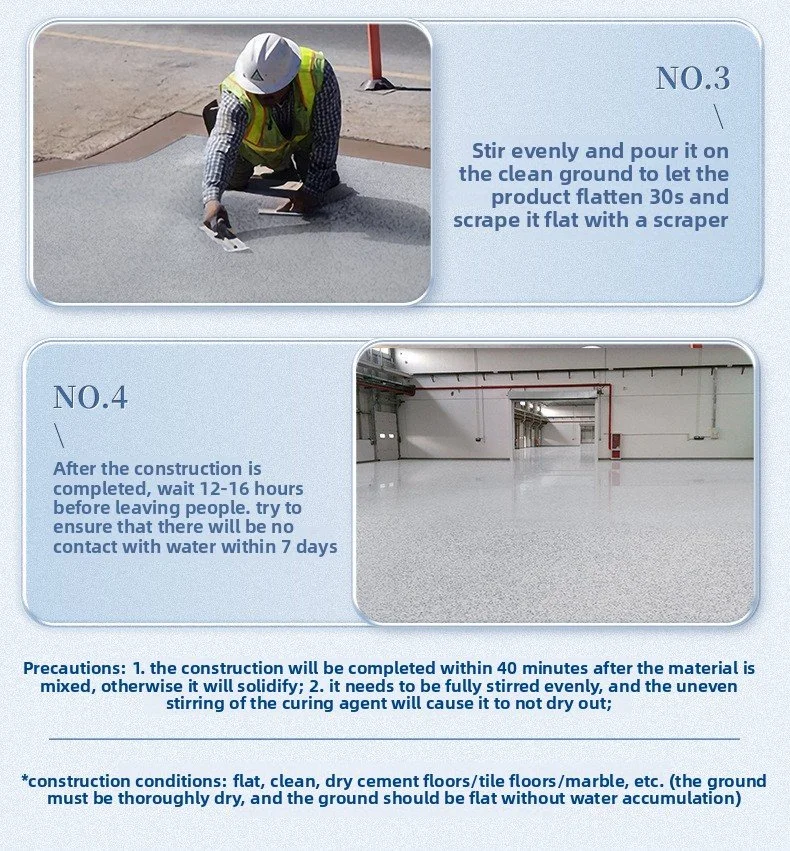
The curing time of epoxy color sand flooring depends on the resin formulation, ambient temperature, humidity, coating thickness, and ventilation conditions. In general, epoxy flooring systems require different curing stages: Pot Life: The available working time after mixing. Tack-Free Time: The time required for the surface to become touch-dry. Foot Traffic: The time before light pedestrian traffic is permitted. Full Cure: The time required for the coating to achieve its intended physical and chemical properties. Please consult the product TDS for the specific curing schedule and recommended application conditions.
7. Can Epoxy Color Sand Flooring Be Used in Industrial and Commercial Areas?
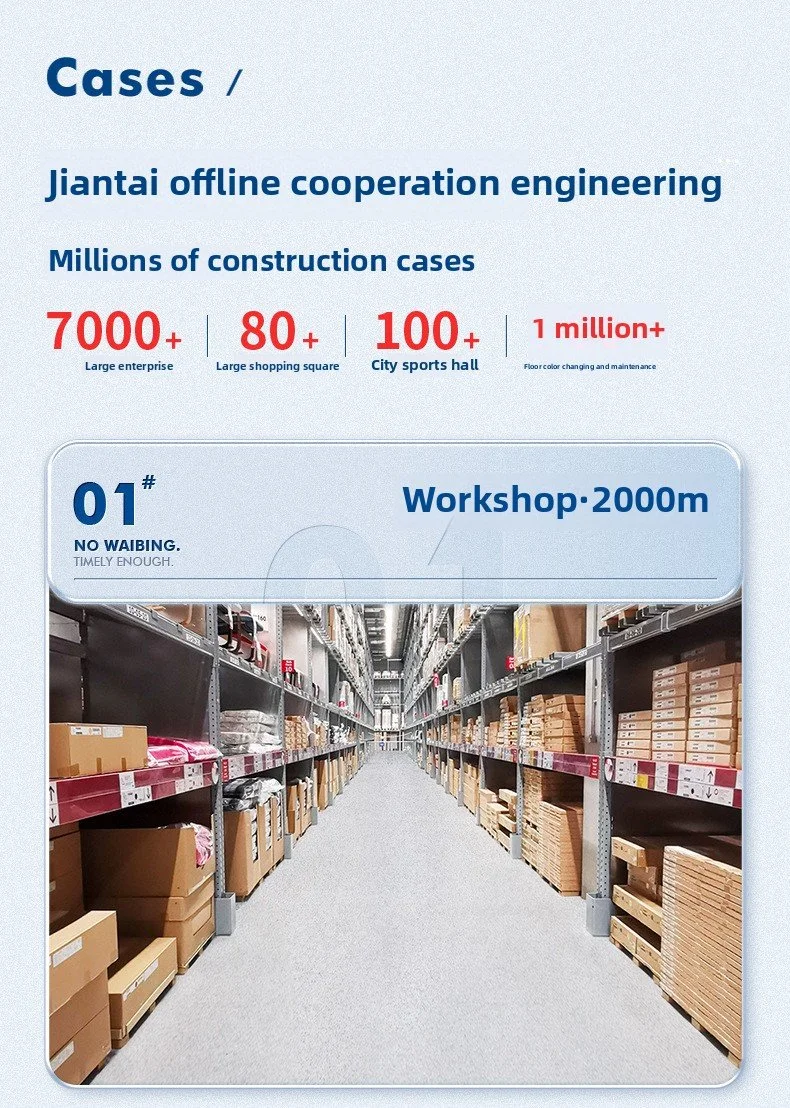
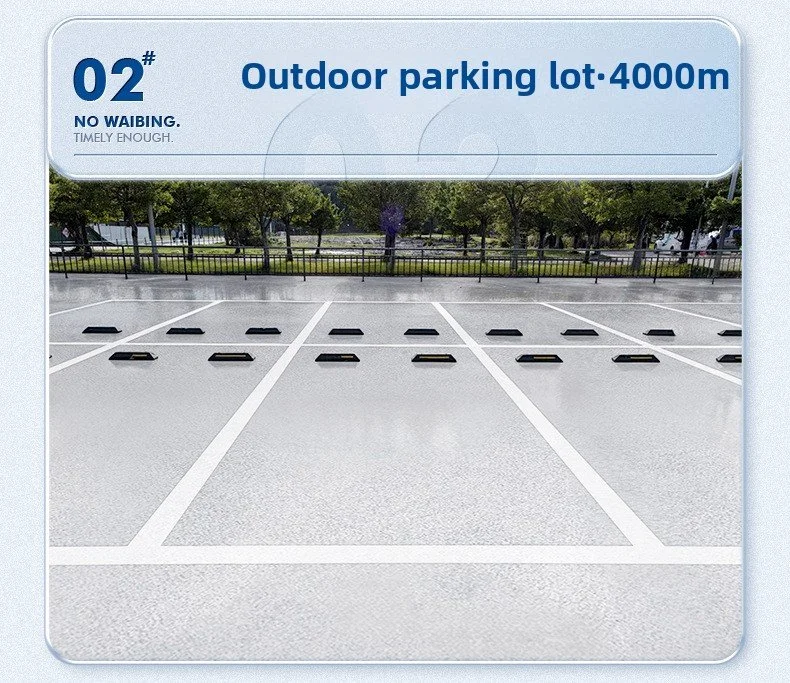
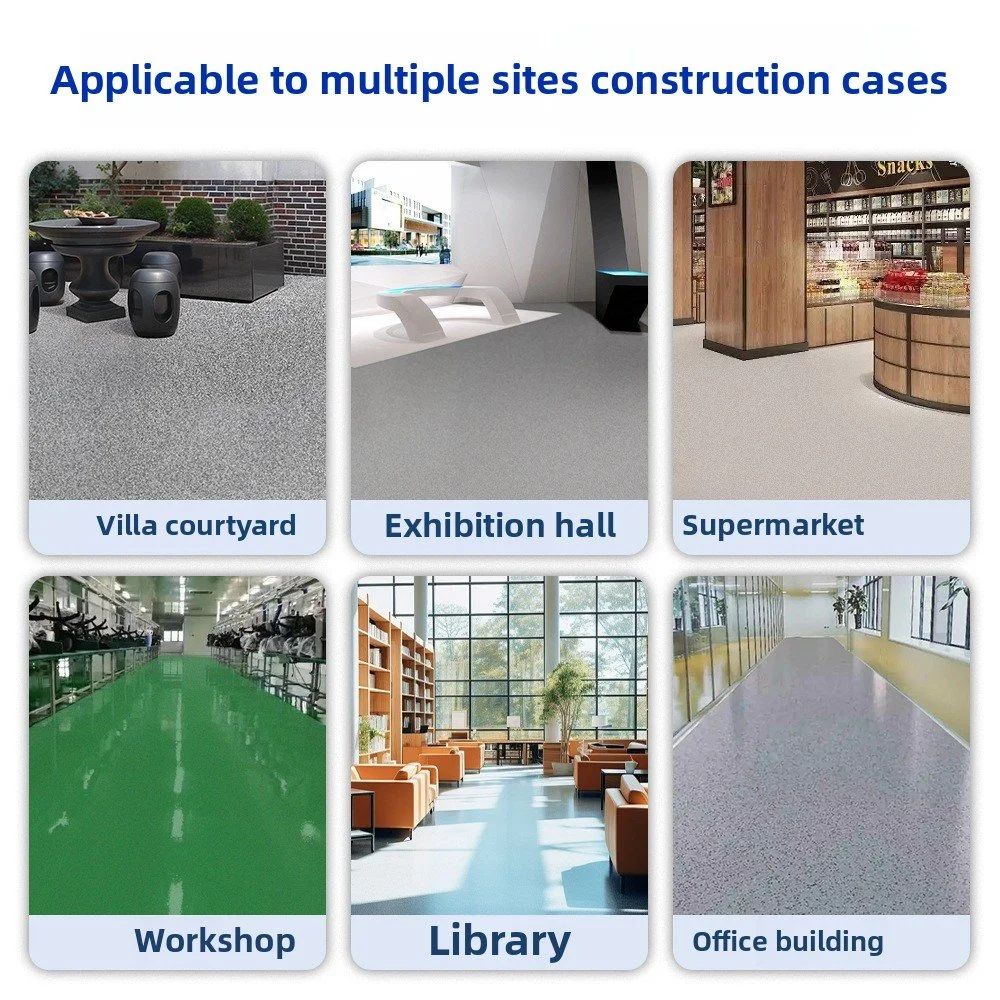
Yes. Epoxy color sand flooring systems can be suitable for various commercial and industrial environments, depending on their formulation and verified performance characteristics. Potential applications include: Industrial workshops and production facilities Commercial showrooms and exhibition spaces Warehouses and storage areas Garages and parking facilities Retail stores and commercial buildings Other indoor areas requiring decorative and functional flooring For environments exposed to heavy machinery, chemical spills, frequent vehicle traffic, or specific slip-resistance requirements, the flooring system should be selected according to the actual operating conditions and relevant technical specifications.
8. What Surface Preparation Is Required Before Application?
Proper surface preparation is essential for achieving good adhesion and long-term flooring performance. Before applying epoxy color sand flooring, the concrete substrate should generally meet the following requirements: Clean the Surface: Remove dust, dirt, grease, oil, and other contaminants. Remove Weak Concrete: Eliminate loose particles, laitance, and deteriorated surface materials. Prepare the Substrate: Use mechanical grinding or other appropriate methods to create a suitable surface profile. Repair Defects: Fill cracks, holes, and uneven areas with compatible repair materials. Check Moisture Conditions: Ensure the substrate meets the moisture requirements specified for the epoxy flooring system. Apply Epoxy Primer: Apply the recommended primer before proceeding with the subsequent flooring layers. The concrete substrate should be properly prepared, structurally sound, and free from contaminants before installation.